

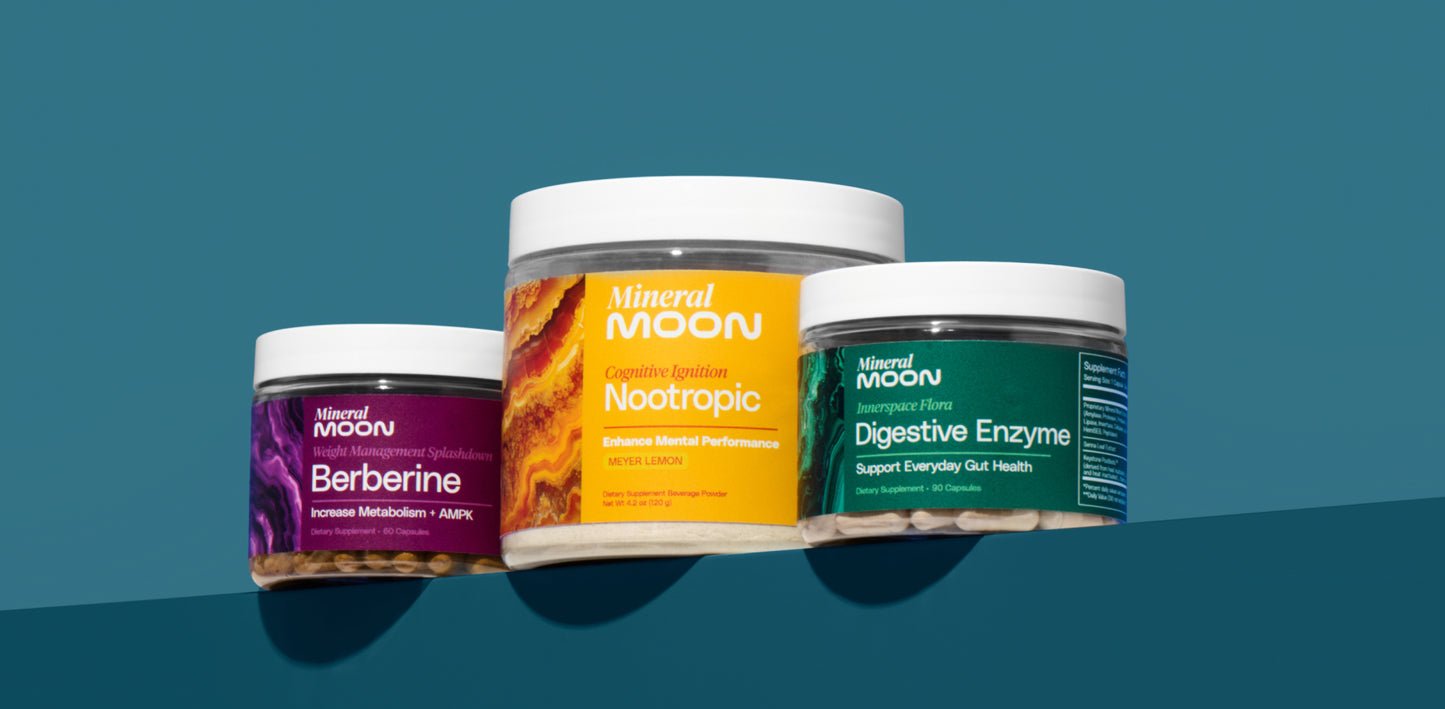


Women’s wellness is evolving—and fast. As we move into 2026, experts agree on one thing: the future of women’s health is no longer reactive or one-dimensional. Instead, it’s becoming holistic, personalized, and deeply rooted in understanding women’s unique biology, lifestyles, and life stages.
From cognitive health and menopause support to metabolic wellness and mental well-being, here are the key trends shaping women’s wellness in 2026 and why they matter.
1. Cognitive Health Becomes a Women’s Wellness Priority
Brain health is stepping out of the productivity box and into everyday wellness. In 2026, cognitive health for women is no longer just about focus at work—it’s about mental clarity, emotional regulation, and long-term brain resilience.
Experts point to increased awareness of how hormonal changes, stress, and sleep disruption affect cognition, especially during perimenopause and menopause.
This trend includes:
-
Greater emphasis on mental clarity and reduced brain fog
-
Lifestyle habits that support cognitive longevity (sleep, movement, stress regulation)
-
Growing interest in gentle cognitive support tools, including mindfulness, nutrition, and targeted supplements
2. Menopause Care Enters the Wellness Mainstream
Menopause is finally receiving the attention it deserves.
In 2026, menopause wellness is no longer treated as a short phase to endure, it’s recognized as a major life transition that deserves proactive, compassionate support.
Experts predict continued growth in:
-
Open conversations around menopause symptoms
-
Integrative approaches that combine lifestyle changes, nutrition, stress management, and supplements
-
Personalized care models rather than one-size-fits-all solutions
Women are reclaiming menopause as a chapter of strength, not decline.
3. Hormone Health Is Viewed as a Daily Foundation
Hormonal balance is becoming central to how women define wellness. Instead of reacting to symptoms like PMS, irregular cycles, or mood swings, women are focusing on daily practices that support hormonal communication.
This includes:
-
Consistent routines for sleep, nourishment, and stress regulation
-
Understanding cycle phases and energy patterns
-
Supporting hormone balance through nutrition, movement, and supplementation
4. Metabolic Health Replaces Weight-Centered Wellness
Weight loss is no longer the primary wellness goal. In 2026, the focus shifts to metabolic health and how efficiently the body uses energy, manages blood sugar, and supports long-term vitality.
This trend emphasizes:
-
Stable energy throughout the day
-
Blood sugar awareness
-
Strength and muscle preservation
-
Sustainable habits over restrictive diets
5. Gut Health Is Recognized as Whole-Body Health
Digestive wellness continues to expand beyond bloating or discomfort. Experts predict women will increasingly view gut health as foundational to:
-
Hormone metabolism
-
Immune resilience
-
Mental well-being
In 2026, digestive health strategies may include:
-
Mindful eating practices
-
Better food quality and diversity
-
Digestive support tools when needed
6. Mental Health and Nervous System Care Take Priority
Women are redefining wellness to include emotional safety and nervous system regulation.
Rather than glorifying hustle, 2026 wellness trends highlight:
-
Boundary setting
-
Restorative movement
-
Stress resilience practices
-
Reduced reliance on constant stimulation
This shift acknowledges the mental load many women carry and validates the need for calm, balance, and recovery.
7. Supplements Become Supportive, Not Central
While supplements remain an important tool, experts agree they work best within a broader wellness framework.
In 2026, women are more intentional about:
-
Choosing clinically backed, clean formulas
-
Using supplements to complement, not replace, healthy habits
-
Selecting support based on life stage (cycle health, menopause, cognitive support, metabolic health)
Supplements are no longer the solution—they’re part of a lifestyle.
8. Wellness Is Redefined as Confidence and Capability
Perhaps the most meaningful trend is the shift in mindset.
In 2026, women’s wellness is less about perfection and more about:
-
Feeling confident in your body
-
Having the energy and clarity to show up for your life
-
Understanding your biology instead of fighting it
Wellness becomes something that supports women—not pressures them.
What This Means for Women in 2026
The future of women’s wellness is smarter, kinder, and more personalized—and supplements are playing a more intentional role than ever before. From cognitive support and menopause wellness to metabolic, hormonal, and gut health, women are no longer reaching for products that promise quick fixes. Instead, they’re choosing clinically backed supplements designed to work with their biology and support real life.
In 2026, supplements aren’t about chasing trends or doing more, they’re about doing what actually works. They’re being used as daily tools, layered into routines alongside nutrition, movement, sleep, and mental well-being.
The takeaway?
Women’s supplements in 2026 are thoughtful, inclusive, and empowering. They’re not replacements for healthy habits, they’re strategic support systems that help women feel clearer, steadier, and more capable at every stage of life. This is wellness that meets women where they are and helps them move forward with confidence.


